
Refrigerator Buying Guide: How to Choose a New Fridge
Mon May 25 2026
- Appliance Buying Guides
Buying a new refrigerator is one of the most important appliance decisions for your kitchen. Since refrigerators run continuously and are used multiple times every day, the right choice can improve food storage, kitchen functionality, and long-term convenience.
But with so many styles, configurations, and features available, choosing the right model can quickly become overwhelming. From capacity and layout to smart technology and installation requirements, there are several factors that impact which refrigerator works best for your home.
For homeowners in Madison and Janesville, WI, refrigerator shopping often involves balancing kitchen space, storage needs, and lifestyle preferences. The appliance experts at Brothers Main help customers navigate these decisions every day by focusing on practical performance, not just appearance or trends.
Key Takeaways: How to Choose the Right Refrigerator
-
Start by measuring your kitchen space carefully before shopping
-
Choose a refrigerator style that matches your storage habits and kitchen layout
-
Consider how much fresh and frozen food your household typically stores
-
Look for features that improve organization, food preservation, and efficiency
-
Think beyond appearance and focus on long-term usability and functionality
Step 1: Measure Your Space Before Anything Else
Before comparing refrigerator styles or features, the first priority should always be measuring your space.
A refrigerator needs adequate room not only for installation, but also for:
-
Door clearance
-
Ventilation
-
Walkway accessibility
-
Delivery and entry access into the home
Many homeowners focus only on width, but height and depth are just as important, especially in kitchens with cabinetry above or surrounding the refrigerator.
In older homes throughout Madison and Janesville, kitchen layouts may have tighter clearances or non-standard cabinet dimensions, making accurate measurements even more critical. Counter-depth refrigerators, built-in models, and larger French door units may require additional planning to ensure a proper fit.
Taking measurements before shopping helps avoid installation issues and narrows down your options more efficiently.
Step 2: Understand the Different Refrigerator Styles
One of the biggest decisions is choosing the refrigerator configuration that best fits your household and kitchen workflow.
French Door Refrigerators: Flexible Storage and Modern Design
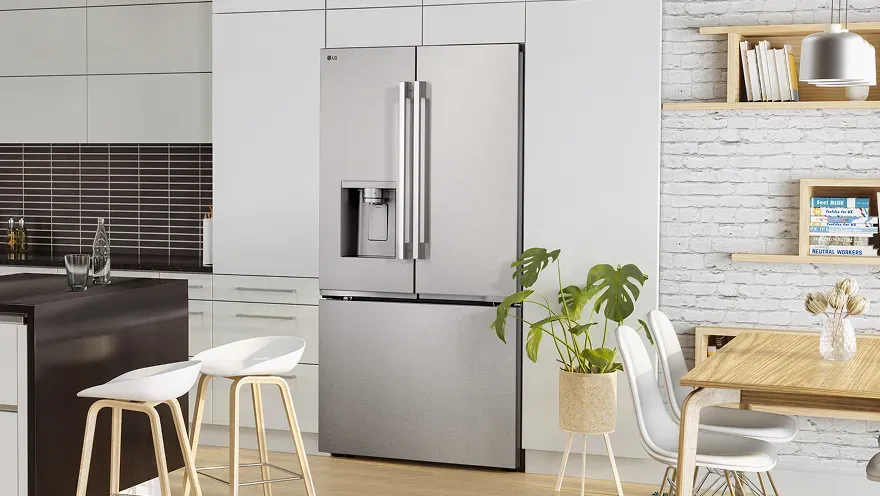
French door refrigerators are one of the most popular choices for modern kitchens because they combine wide refrigerator storage with a bottom freezer layout.
These models are ideal for:
-
Families who use fresh food frequently
-
Households that store large platters or containers
-
Open-concept kitchens where design matters
The double-door design allows easier access to fresh foods at eye level while minimizing how far the doors swing open, helpful in tighter kitchen spaces.
Many French door models also include advanced features like:
-
Dual cooling systems
-
Flexible temperature drawers
-
Smart connectivity
-
Internal water dispensers
For homeowners remodeling kitchens in Madison or Janesville, French door refrigerators are often selected for both functionality and visual appeal.
Bottom Freezer Refrigerators: Everyday Convenience
Bottom freezer refrigerators place fresh food storage at eye level while keeping frozen items below.
This layout works well for homeowners who:
-
Access refrigerated items more frequently than frozen foods
-
Prefer simpler organization without side-by-side compartments
-
Want ergonomic access to everyday groceries
Compared to traditional top-freezer models, bottom freezer refrigerators reduce the need to bend down repeatedly when accessing commonly used items.
Many homeowners appreciate the balance between functionality and straightforward design, especially in medium-sized kitchens.
Top Mount Refrigerators: Reliable and Space Efficient
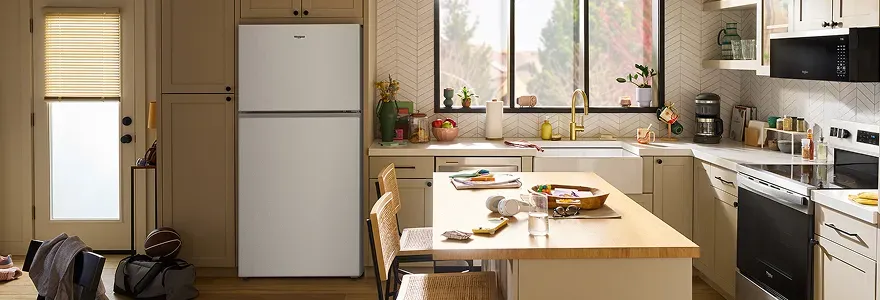
Top mount refrigerators remain a practical option for many households due to their affordability and efficient use of space.
These models are often ideal for:
-
Smaller kitchens
-
Secondary refrigeration spaces
-
Budget-conscious appliance upgrades
While they may offer fewer premium features, top freezer refrigerators are dependable and efficient. Their compact footprint can also work well in older Wisconsin homes where kitchen layouts are more limited.
For many homeowners, this style provides the right balance of value, simplicity, and storage capacity.
Side-by-Side Refrigerators: Organized Frozen and Fresh Storage
Side-by-side refrigerators divide fresh and frozen storage vertically, placing both sections at eye level.
This style is often preferred by homeowners who:
-
Want easier access to frozen foods
-
Prefer narrower door swing clearance
-
Like organized vertical shelving layouts
Side-by-side models are particularly useful in kitchens where space in front of the refrigerator is limited, since the doors require less clearance to open.
However, the narrower compartments may make storing oversized trays or large items slightly more challenging compared to French door designs.
Built-In Refrigerators: Seamless Luxury Integration
Built-in refrigerators are designed to integrate flush with cabinetry for a premium, customized appearance.
These models are commonly selected for:
-
Luxury kitchen remodels
-
High-end custom homes
-
Seamless cabinetry integration
Built-in refrigerators typically offer advanced food preservation systems, premium materials, and more precise temperature management.
In upscale Madison-area remodels, built-in refrigeration is often part of larger kitchen design projects focused on both aesthetics and long-term performance.
Because installation requirements are more complex, proper planning and measurements are especially important with built-in units.
Specialty Refrigeration: Additional Storage Solutions
Specialty refrigeration includes products like:
-
Wine coolers
-
Beverage centers
-
Refrigerator drawers
-
Compact refrigerators
These appliances are designed to supplement your primary refrigerator and are often added during kitchen remodels, basement finishing projects, or entertainment space upgrades.
For homeowners who entertain frequently or need additional beverage storage, specialty refrigeration can improve organization and reduce strain on the main refrigerator.
Freezers: Expanding Long-Term Storage
Browse freezers:
/appliances/refrigeration/freezers
Standalone freezers provide additional frozen food storage beyond what a traditional refrigerator can offer.
This is especially valuable for:
-
Larger households
-
Bulk grocery shopping
-
Seasonal food storage
-
Hunters or gardeners storing frozen items long-term
In Wisconsin homes where seasonal shopping and bulk purchases are common, adding a standalone freezer can significantly improve storage flexibility.
Step 3: Determine the Right Refrigerator Capacity
Capacity matters just as much as style.
A refrigerator that’s too small can create overcrowding and reduce airflow, while one that’s too large may waste energy and kitchen space.
As a general guideline:
-
Smaller households may only need 14-18 cubic feet
-
Medium households often benefit from 19-24 cubic feet
-
Larger families may require 25 cubic feet or more
It’s also important to think about shopping habits. Households that buy groceries in bulk or entertain frequently typically need additional storage flexibility.
Step 4: Focus on Features That Improve Everyday Use
Modern refrigerators include a wide range of features, but not all of them provide equal value.
The most practical refrigerator features often focus on:
-
Food preservation
-
Storage organization
-
Temperature consistency
-
Ease of use
Features like humidity-controlled crispers, adjustable shelving, and dual evaporators can make a noticeable difference in how fresh food stays over time.
Smart refrigerator features, such as remote temperature monitoring and maintenance alerts, can also improve convenience for busy households.
The appliance experts at Brothers Main recommend prioritizing features that improve how you actually use your kitchen every day rather than simply choosing the model with the most technology.
Step 5: Think About Energy Efficiency and Long-Term Value
Since refrigerators run continuously, energy efficiency plays a major role in long-term operating costs.
Newer refrigerators are generally much more efficient than older models, but efficiency can still vary based on:
-
Size
-
Configuration
-
Ice and water systems
-
Compressor technology
While larger or feature-heavy refrigerators may consume more energy, many modern models offset this through improved insulation and inverter compressor systems.
Over time, choosing an efficient refrigerator can help reduce utility costs while maintaining better temperature consistency.
Step 6: Consider Your Budget and Long-Term Costs
Refrigerator pricing can vary significantly depending on size, configuration, features, and overall build quality. While it’s important to establish a budget upfront, it’s equally important to think beyond the initial purchase price and consider long-term value.
Entry-level top freezer refrigerators are often the most affordable option, while French door and built-in models typically sit at higher price points due to their larger capacities, premium finishes, and advanced features. Specialty refrigeration products, such as wine coolers or beverage centers, can also add to the overall kitchen appliance investment during remodel projects.
However, upfront cost is only one part of the equation. Long-term ownership costs may include:
-
Energy usage
-
Maintenance and repairs
-
Filter replacements
-
Potential installation modifications
For homeowners in Madison and Janesville planning kitchen upgrades, it’s also helpful to think about how the refrigerator fits into the broader remodeling budget. Since refrigerators often serve as a focal point in the kitchen, many homeowners choose to prioritize this appliance early in the planning process to ensure the overall design and appliance package work together cohesively.
How Refrigerators Fit Into Kitchen Remodeling Plans
A refrigerator is often one of the most influential appliances in a kitchen remodel because it impacts cabinetry layout, traffic flow, and overall kitchen design.
For homeowners remodeling kitchens in Madison or Janesville, refrigerator selection often happens early in the planning process because dimensions and configuration affect surrounding cabinetry and countertop placement.
For example:
-
French door refrigerators may require wider clearances
-
Built-in models require custom cabinet integration
-
Counter-depth designs influence aisle spacing and workflow
The refrigerator also serves as a visual anchor in many kitchens, meaning finish selection and appliance integration play a major role in the final aesthetic.
Planning around the refrigerator early helps create a more cohesive and functional kitchen layout.

Shop Premium Refrigerators at Brothers Main
Choosing a refrigerator is about more than selecting a finish or configuration, it’s about finding a model that fits your kitchen, your storage habits, and your long-term needs. Seeing refrigerators in person can help you better compare layouts, shelving configurations, door clearance, and organizational features that are difficult to evaluate online alone.
Visit a Brothers Main appliance showroom in East Madison, West Madison and Janesville to compare refrigerator styles in person and get expert guidance tailored to your kitchen layout, cooking habits, and storage priorities. Whether you’re replacing an older refrigerator or planning a full kitchen remodel, the appliance experts at Brothers Main can help you find a refrigeration solution that balances performance, organization, efficiency, and design.
Related readings from our blog:
FAQs: How to Choose a New Refrigerator
What refrigerator style is most popular?
French door refrigerators are currently one of the most popular styles because they combine flexible fresh food storage with modern design. They offer wide shelving, bottom freezer organization, and convenient access to commonly used items. Many Wisconsin homeowners also prefer their appearance in open-concept kitchens. However, the best style ultimately depends on your kitchen layout and storage preferences.
How do I know what size refrigerator I need?
The right refrigerator size depends on your household size, grocery habits, and kitchen space. Larger families or households that buy groceries in bulk typically benefit from higher-capacity models. It’s also important to leave room for ventilation and door clearance during installation. Measuring your kitchen carefully before shopping is essential.
Are built-in refrigerators worth it?
Built-in refrigerators can be worth the investment for homeowners prioritizing seamless kitchen design and premium food preservation features. They integrate flush with cabinetry for a customized appearance and often include advanced cooling systems. However, they typically require more planning and come at a higher price point. For luxury remodels, many homeowners find the design and performance benefits worthwhile.
What is the difference between counter-depth and standard-depth refrigerators?
Counter-depth refrigerators are designed to align more closely with surrounding cabinetry for a streamlined appearance. Standard-depth refrigerators extend farther into the kitchen but often provide more storage capacity. The right choice depends on whether you prioritize space efficiency or maximum interior storage. Kitchen layout and traffic flow should also factor into the decision.
Related Articles