Smart Appliances: What They Do, Which Features Matter, and Which Brands Lead
Mon Apr 27 2026
- Luxury Appliances
Smart appliances are no longer a futuristic concept, they’re quickly becoming a standard part of modern homes. But while many shoppers are aware of the term, fewer fully understand what smart appliances actually do, how they improve daily life, and which features are worth paying attention to.
For homeowners in Madison and Janesville, WI, smart appliances can be especially valuable. Whether you’re managing a busy household, upgrading during a remodel, or simply looking for more control and efficiency, these appliances offer tools that go beyond traditional functionality.
The appliance experts at Brothers Main often guide customers through smart appliance decisions by focusing on one key question: Does this technology make your life easier?
Key Takeaways: What to Know About Smart Appliances
-
Smart appliances connect to Wi-Fi, allowing remote control and monitoring
-
The best smart appliance features focus on convenience, alerts, and efficiency
-
Not all smart features are essential, prioritize those that match your routine
-
Leading brands offer unique ecosystems that integrate across multiple appliances
-
Smart appliances are most valuable when they simplify everyday tasks
What Are Smart Appliances and How Do They Work?
Smart appliances are designed to connect to your home network, typically through Wi-Fi, allowing you to control and monitor them through a smartphone app or voice assistant.
But connectivity is just the foundation. What sets smart appliances apart is their ability to:
-
Provide real-time updates on performance
-
Automate tasks based on usage patterns
-
Integrate with other smart home devices
-
Help prevent problems before they happen
For example, a smart refrigerator can notify you if the door is left open, while a smart dryer can alert you when a cycle is complete. These small interactions add up, reducing the need for constant checking and manual oversight.
Smart Appliance Features That Actually Make a Difference
Not all smart features are equally useful. The most effective smart appliance features are the ones that solve everyday problems or remove friction from your routine.
Real-Time Notifications and Alerts
One of the most practical benefits of smart appliances is awareness. Whether it’s a dishwasher cycle finishing or a temperature issue in your refrigerator, notifications help you stay informed without having to check manually.
Remote Access and Control
Being able to start, stop, or monitor appliances from your phone adds flexibility, especially for busy households. You can preheat an oven on your way home or start a laundry cycle when it’s convenient.
Smart Diagnostics and Maintenance
Some appliances can detect issues early and alert you before they become bigger problems. This can help extend the life of your appliances and reduce unexpected repairs.
Automation and Scheduling
Smart appliances can be programmed to run at specific times, such as during off-peak energy hours. Over time, this can contribute to improved efficiency and lower utility costs.
Are Smart Appliances Worth It?
This is one of the most common questions, and the answer depends on how you plan to use them.
For many homeowners in Madison and Janesville, smart appliances are worth it when they:
-
Save time on daily tasks
-
Reduce the need for manual monitoring
-
Help prevent common issues
-
Improve overall convenience
However, if you don’t plan to use features like remote control or notifications, the added cost may not provide the same value.
The key is choosing appliances where the smart functionality aligns with your lifestyle, not just the latest technology.
Smart Appliances Across Key Categories
Smart technology isn’t limited to one type of appliance, it now spans across nearly every major category in the home. The real value comes from how these features improve everyday routines in practical ways, not just how advanced the technology sounds.
For homeowners in Madison and Janesville, WI, where kitchens and laundry spaces are often high-traffic parts of the home, smart integration can help simplify repetitive tasks and reduce the need for constant monitoring.
Below is how smart functionality shows up across key appliance categories, and what actually matters in real-world use.
Refrigeration: Smarter Food Management and Temperature Control
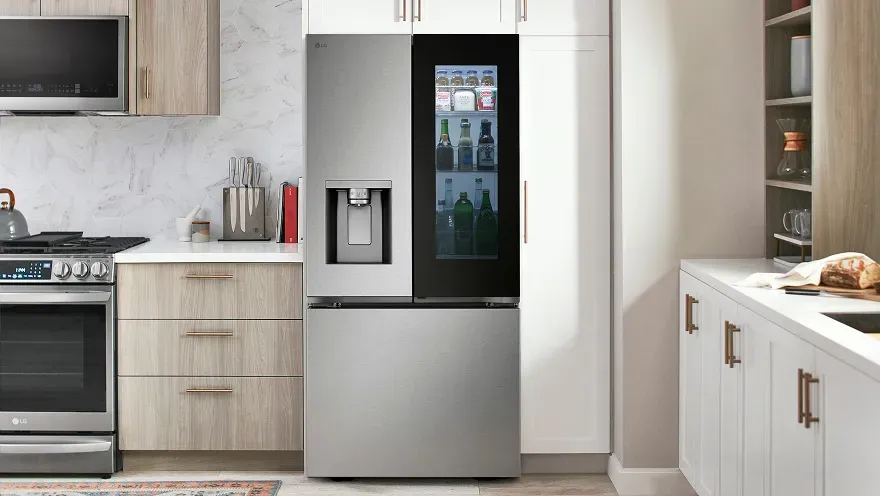
Smart refrigerators are one of the most visible examples of connected appliance technology, but their real value goes beyond touchscreens or internal cameras.
At their core, smart refrigeration focuses on food preservation and awareness. Temperature sensors constantly monitor internal conditions and can alert you if something changes unexpectedly, such as a door being left open or a cooling fluctuation that could impact food safety.
In more advanced models, smart features extend into food management tools, such as internal cameras that allow you to check contents while grocery shopping, or inventory tracking systems that help reduce food waste. While not every household uses these features daily, they can be especially helpful for busy families or households that prefer structured meal planning.
In Wisconsin homes where grocery trips may be less frequent during winter months, having better visibility into what’s already in your refrigerator can help reduce unnecessary purchases and improve organization.
Cooking: Precision, Control, and Guided Performance
Smart cooking appliances are designed to improve consistency and reduce guesswork in the kitchen. This is especially valuable for homeowners who cook regularly or are upgrading kitchens in Madison or Janesville as part of a remodel.
Smart ovens and ranges often include remote preheating, allowing you to start heating your oven before you even step into the kitchen. This can streamline meal preparation and reduce waiting time, particularly during busy weeknights.
More advanced systems include guided cooking modes, where the appliance automatically adjusts temperature and cook time based on the selected recipe or food type. Instead of manually monitoring everything, the appliance takes on more of the decision-making process, helping reduce overcooking or undercooking.
Some smart cooking systems also provide temperature alerts and progress tracking, which is especially useful for baking or multi-step meals. Rather than repeatedly opening the oven door and disrupting heat consistency, users can monitor progress from a phone or connected device.
Laundry: Automation That Reduces Daily Effort
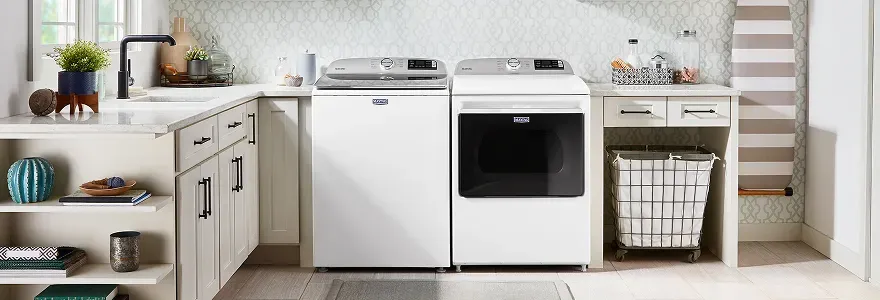
Smart laundry appliances are designed around one core idea: reducing the number of steps required to complete a cycle.
In practical terms, smart washers and dryers provide cycle notifications, so you know exactly when a load is finished, something that helps prevent clothes from sitting too long and developing wrinkles or odors.
Beyond notifications, many systems now include remote cycle start and adjustment, allowing you to run laundry on your schedule rather than being tied to the machine. This can be especially useful in households with unpredictable routines or multiple family members sharing laundry responsibilities.
Some advanced models also include load sensing and cycle recommendations, where the machine suggests optimal settings based on load size or fabric type. While this doesn’t replace user input entirely, it reduces guesswork and helps improve fabric care over time.
In Wisconsin homes where laundry rooms are often located in basements or lower levels, these features reduce unnecessary trips up and down stairs just to check on a cycle.
Dishwashers: Efficiency, Timing, and Cycle Intelligence
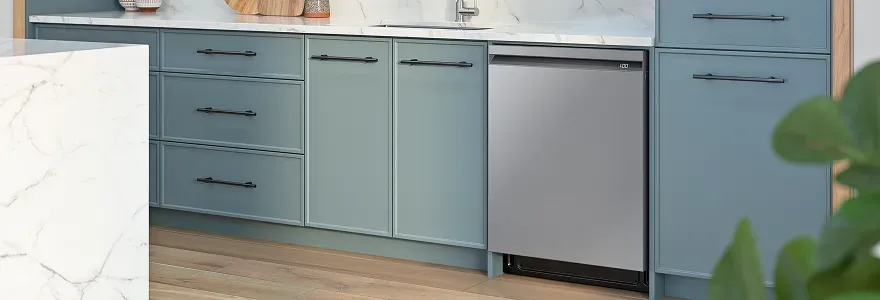
Smart dishwashers are often overlooked, but they offer some of the most practical everyday benefits in a connected kitchen.
One of the most useful features is cycle completion alerts, which notify you when dishes are clean and ready to be unloaded. This may seem simple, but it helps keep kitchen routines moving efficiently, especially in busy households where multiple appliances are running throughout the day.
More advanced smart dishwashers also include soil-sensing technology paired with smart cycle optimization, meaning the appliance can adjust water usage, temperature, and cycle duration based on how dirty the dishes actually are. This reduces unnecessary water consumption while still delivering a thorough clean.
In some models, smart features also include remote cycle activation and scheduling, allowing homeowners to run the dishwasher during off-peak hours or overnight. In areas like Madison and Janesville, where utility cost management can be a consideration, this type of scheduling can add long-term value.
Finally, smart diagnostics in dishwashers can help identify maintenance issues early, such as drainage problems or filter blockages, allowing homeowners to address small concerns before they become larger repairs.
Top Appliance Brands Known for Smart Technology
Not all brands approach smart appliances the same way. Some have developed full ecosystems, while others focus on specific innovations.
LG® Appliances: ThinQ® Technology
LG is known for its ThinQ platform, which connects appliances across categories. It offers remote control, maintenance alerts, and usage tracking, all within a single app. LG also emphasizes AI-driven features that adapt to your habits over time.
Samsung® Appliances: SmartThings® Integration
Samsung’s SmartThings platform allows appliances to connect with a wide range of smart home devices. This creates a more integrated experience, where Samsung appliances can work alongside lighting, security, and other systems.
GE Profile™: SmartHQ™ Technology
GE Profile focuses on practical smart features like remote control, voice integration, and guided cooking. SmartHQ connects appliances and provides updates, alerts, and performance insights.
Whirlpool® Appliances: Connected Appliance Features
Whirlpool emphasizes usability, offering features like remote start, cycle notifications, and integration with voice assistants. Their smart features are designed to be straightforward and easy to use.
These brands highlight an important point: smart appliances aren’t just about individual features, they’re about how those features work together.
Smart Appliances vs Standard Appliances: What’s the Real Difference?
The difference isn’t just connectivity, it’s control and awareness.
Standard appliances require manual operation and monitoring. Smart appliances reduce that burden by providing:
-
Real-time updates
-
Remote access
-
Automated adjustments
Over time, this can lead to a more efficient and less hands-on experience.
How to Choose the Right Smart Appliance Features
When evaluating smart appliances, focus on features that you’ll actually use.
Consider:
-
Do you want remote access to your appliances?
-
Would notifications improve your routine?
-
Are you interested in integrating appliances with other smart home devices?
The appliance experts at Brothers Main recommend starting with one or two smart features that solve a specific problem. From there, you can expand as needed.
Shop Smart Appliances at Brothers Main
If you’re exploring smart appliances in Madison or Janesville, seeing them in person can help you better understand how the technology works.
At Brothers Main, you can compare models, test features, and get guidance from experts who understand how smart appliances perform in real homes.
Visit a Brothers Main appliance showroom in East Madison, West Madison and Janesville to compare models, explore smart appliance features, and get expert recommendations tailored to your home.
Related readings from our blog:
FAQs: Smart Appliances: Features, Benefits & Top Brands
What are smart appliances?
Smart appliances are appliances that connect to Wi-Fi and can be controlled or monitored through a smartphone or smart home system. They offer features like remote control, notifications, and performance tracking. These capabilities help simplify everyday tasks and improve efficiency. Over time, they can also help prevent issues through early alerts.
Are smart appliance features difficult to use?
Most smart appliance features are designed to be user-friendly and accessible through simple apps. Many brands focus on intuitive controls and guided setup processes. Once connected, features like notifications and remote control are easy to manage. For most users, the learning curve is minimal.
Do smart appliances save energy?
Smart appliances can help improve energy efficiency by optimizing performance and allowing better control over usage. Features like scheduling and energy tracking make it easier to reduce waste. However, the overall savings depend on how the appliance is used. When used effectively, they can contribute to lower utility costs.
Which brands are best for smart appliances?
Brands like LG, Samsung, GE Profile, and Whirlpool are known for strong smart appliance offerings. Each brand provides its own platform and features, with varying levels of integration. The best choice depends on your preferences and how you want your appliances to work together. Exploring options in person can help you compare systems more effectively.
Related Articles