Laundry Buying Guide: How to Choose a Washer and Dryer
Wed Apr 29 2026
Choosing the right washer and dryer isn’t just about replacing an old appliance, it’s about improving how your home functions every day. With so many configurations, features, and performance levels available, finding the right setup requires more than a quick comparison.
For homeowners in Madison and Janesville, WI, laundry needs can vary widely depending on home layout, family size, and even seasonal changes. From basement laundry setups to compact spaces, the right appliances should fit both your space and your routine.
The appliance experts at Brothers Main help customers navigate these decisions every day, focusing on performance, efficiency, and long-term value, not just specs.
Key Takeaways: How to Choose the Right Washer and Dryer
-
Start with your space and layout before comparing models
-
Match capacity to your household size and laundry habits
-
Choose between top-load, front-load, or combination units based on convenience and efficiency
-
Consider energy efficiency and long-term operating costs, not just upfront price
-
Focus on features like moisture sensors and steam that improve real-world performance
Step 1: Start With Your Space and Setup
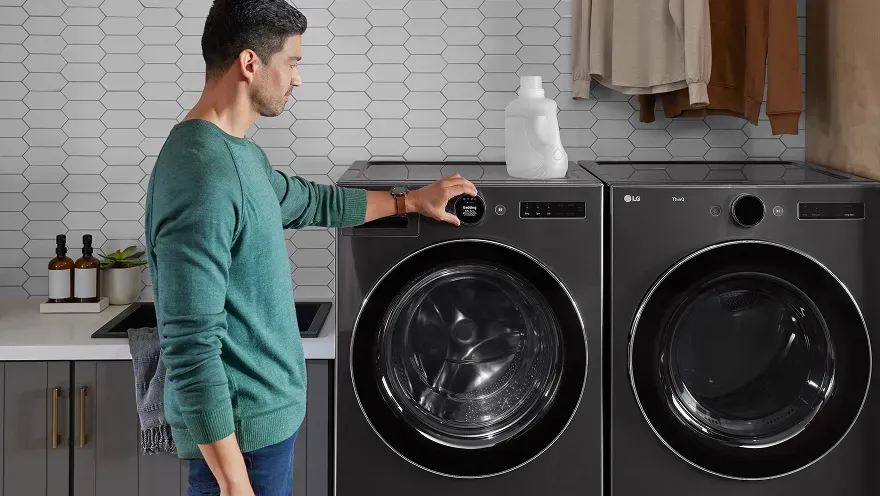
Before looking at features or brands, the most important step is understanding your laundry space.
Whether you’re working with a dedicated laundry room, a basement setup, or a closet, your space will determine which configurations are possible. Washers and dryers need proper clearance for doors, ventilation, and hookups, and even a few inches can impact what fits.
In Madison and Janesville homes, it’s common to see:
-
Basement laundry areas with more room for full-size units
-
Closet or compact spaces requiring stackable or all-in-one solutions
-
Older homes with specific electrical or venting limitations
Choosing the right configuration upfront prevents installation issues and ensures your appliances work efficiently from day one.
Step 2: Choose the Right Washer Type
Washers come in several configurations, and each one offers different benefits depending on your needs.
Front-Load Washers
Front-load washers are known for efficiency and performance. They use less water and energy while providing excellent cleaning power, especially for large or heavily soiled loads.
They’re also ideal for:
-
Larger households
-
Bulky items like bedding
-
Stackable setups to save space
However, they typically require bending to load and may have longer cycle times.
Top-Load Washers
Top-load washers are often more familiar and easier to use, especially for quick loads.
They offer:
-
Faster wash cycles
-
Easier loading without bending
-
Lower upfront cost in many cases
They may use more water than front-load models, but for many households, the convenience outweighs that difference.
Compact and Space-Saving Options
If space is limited, compact washers provide a practical solution. These units are smaller in size but still offer strong performance.
They’re ideal for:
-
Apartments or condos
-
Laundry closets
-
Secondary laundry spaces
While capacity is smaller, they can still meet the needs of smaller households.
Step 3: Select the Right Dryer
Dryers are often simpler to choose, but there are still important decisions to make.
Gas vs. Electric Dryers
The first decision is typically based on your home’s hookups.
-
Gas dryers tend to dry clothes faster and use less energy over time
-
Electric dryers are more common and often cost less upfront
If your home already has the appropriate connection, that will usually guide your choice.
Venting Considerations
Traditional dryers require venting to the outside, but ventless options are becoming more popular, especially in tighter spaces.
Ventless dryers:
-
Offer flexible installation
-
Work well in condos or apartments
-
Typically have longer cycle times
Understanding your home’s layout is key to choosing the right option.
Step 4: Consider Capacity and Household Needs
Capacity is one of the most important, and often overlooked, factors.
Washer capacity is measured in cubic feet, and choosing the right size depends on how much laundry you typically do. Smaller households may only need 2.5–3.5 cubic feet, while larger families benefit from 4.5 cubic feet or more.
If you frequently wash bulky items like comforters or towels, a larger capacity washer can save time by reducing the number of loads needed.
It’s also important to match your dryer to your washer. A mismatched pair can lead to inefficiencies, such as longer drying times or wasted energy.

Step 5: Explore All-in-One and Combination Laundry Units
For homes with limited space, combination laundry units can be a practical alternative.
All-in-one washer and dryer units:
-
Combine washing and drying in a single machine
-
Eliminate the need to transfer laundry
-
Save space compared to traditional setups
However, they typically have smaller capacities and longer cycle times, making them better suited for smaller households or secondary laundry areas.
Step 6: Focus on Features That Improve Performance
Not all features add value, but some can significantly improve how your appliances perform.
Moisture Sensors
These automatically stop the dryer when clothes are dry, preventing overdrying and reducing energy use.
Steam Functions
Steam helps remove wrinkles, refresh clothing, and improve stain removal, making it a useful feature for both washers and dryers.
Noise and Vibration Reduction
Important for homes where laundry appliances are near living spaces, especially in multi-level homes.
Delay Start and Smart Controls
Allow you to run cycles on your schedule and monitor progress remotely.
The key is choosing features that align with how you actually do laundry, not just what sounds advanced.
Step 7: Think About Energy Efficiency and Long-Term Value
Modern washers and dryers are significantly more efficient than older models, but efficiency still varies.
Front-load washers, for example, use less water and energy than traditional top-load models and can reduce drying time due to higher spin speeds.
Energy-efficient appliances may cost more upfront, but they can lower utility bills over time, making them a smarter long-term investment.
Why Local Expertise Matters in Madison and Janesville, WI
Choosing the right washer and dryer isn’t just about specs, it’s about how those appliances perform in your home.
In Madison and Janesville, factors like basement laundry setups, seasonal humidity changes, or older home layouts can all impact appliance performance and installation.
The appliance experts at Brothers Main help homeowners account for these factors, ensuring that the appliances you choose fit your space, your routine, and your long-term needs.
Shop Washers and Dryers at Brothers Main
If you’re ready to upgrade your laundry setup, exploring your options in person can make a big difference.
Visit a Brothers Main appliance showroom in East Madison, West Madison and Janesville to compare models, explore features, and get expert recommendations tailored to your home.
Related readings from our blog:
FAQs: Laundry Buying Guide: How to Choose a Washer and Dryer
What is the best type of washer for most Wisconsin homes?
The best washer depends on your needs, but front-load models are often preferred for their efficiency and cleaning performance. They use less water and energy while handling larger loads more effectively. However, top-load washers may be better for those who prefer faster cycles and easier loading. The right choice comes down to your priorities and how you use your appliance.
Should I buy a washer and dryer together?
In many cases, buying a washer and dryer together is the best option. Matching sets are designed to work efficiently as a pair, ensuring proper capacity and performance alignment. They may also come with bundle savings or promotions. Over time, this can lead to better results and improved energy efficiency.
Are all-in-one washer dryer units worth it?
All-in-one units can be a great solution for small spaces or secondary laundry areas. They offer convenience by combining washing and drying in a single machine. However, they typically have smaller capacities and longer cycle times compared to traditional setups. For larger households, separate units are usually more practical.
What size washer and dryer do I need?
The right size depends on your household and laundry habits. Smaller households can often use compact models, while families benefit from larger capacities to reduce the number of loads. If you frequently wash bulky items, a larger drum size is especially important. Matching your washer and dryer capacity ensures better overall performance.