
Slide-In vs Freestanding Electric Range: What’s the Difference?
Thu May 07 2026
- Appliance Comparisons
Choosing between a slide-in electric range and a freestanding electric range is one of the most common decisions homeowners face when upgrading a kitchen. While both options offer similar cooking performance, the differences in design, installation, and overall kitchen integration can significantly impact how your space looks and functions.
For homeowners in Madison and Janesville, WI, where kitchen layouts range from modern open-concept designs to more traditional builds, understanding these differences is especially important. The right choice often depends on whether you prioritize seamless design or installation flexibility.
The appliance experts at Brothers Main frequently help customers compare these two styles as part of a broader kitchen upgrade, especially when coordinating with cabinetry, countertops, and remodel timelines.
Key Takeaways: Slide-In vs Freestanding Electric Range
-
A slide-in electric range is designed for a built-in, seamless look with cabinetry
-
A freestanding electric range offers easier installation and more flexibility
-
Both provide similar cooking performance, but differ in design integration
-
Slide-in models are often chosen for remodeled or high-end kitchens
-
Freestanding models are ideal for straightforward replacements or budget-conscious upgrades
Understanding the Basics of Electric Ranges
Before comparing styles, it helps to understand what both options have in common. Both slide-in and freestanding electric ranges combine an oven and cooktop into a single appliance. They typically run on a 240-volt electrical connection and are available in a variety of sizes and finishes.
Where they differ is not in performance, but in how they fit into your kitchen space.
What Is a Slide-In Electric Range?
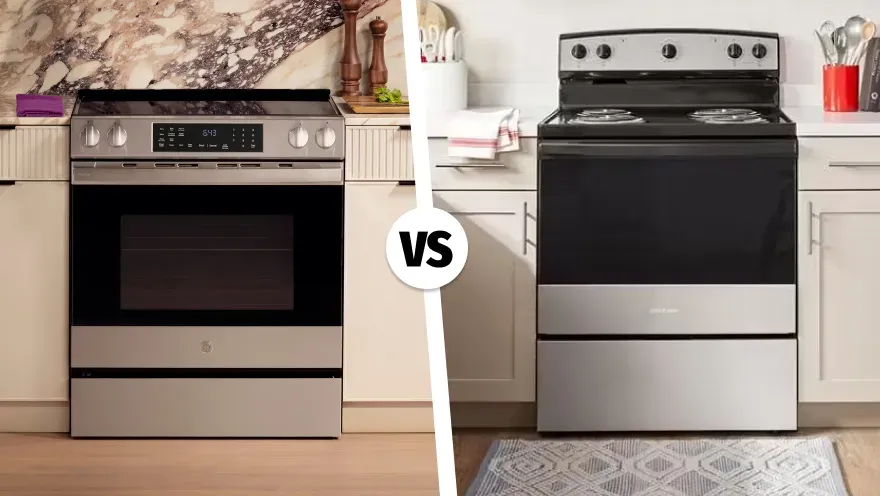
A slide-in electric range is designed to integrate more seamlessly with surrounding cabinetry. Unlike freestanding models, slide-in ranges do not have a raised back panel. Instead, the controls are typically located on the front of the appliance.
This design creates a more built-in, custom appearance, especially when paired with countertops that slightly overlap the edges of the range. The result is a smoother visual transition between appliance and cabinetry, which is why slide-in models are often used in kitchen remodels or higher-end designs.
Because of their design, slide-in ranges typically require more precise installation. They are intended to sit flush with surrounding countertops, which means measurements and kitchen layout need to be more exact compared to freestanding options.
In many Madison and Janesville kitchen renovations, slide-in ranges are selected when homeowners want to elevate the overall aesthetic of their cooking space.
What Is a Freestanding Electric Range?
A freestanding electric range is the most common type found in homes today. It is designed to stand independently and can be installed between cabinets or as a standalone unit.
One of its defining features is the built-in backguard, which houses the control panel. This design allows the range to function without requiring a perfectly customized cutout, making it highly adaptable to different kitchen layouts.
Freestanding ranges are especially popular in older homes across Madison and Janesville, where kitchen dimensions may not follow modern standardization. They are also commonly chosen for straightforward replacements, as they can easily fit into existing spaces without major modifications.
From a practical standpoint, freestanding models are often the most convenient option for homeowners who want reliable performance without needing to adjust cabinetry or countertops.
Key Differences Between Slide-In and Freestanding Electric Ranges
While both options perform similarly in cooking functionality, the differences become more apparent when looking at installation and design.
Freestanding ranges offer more flexibility because they can fit into a wider range of kitchen spaces without modification. Slide-in ranges, on the other hand, are designed to blend into cabinetry for a more integrated look.
Another key difference is control placement. Freestanding ranges typically feature rear-mounted controls, while slide-in models place controls on the front, contributing to a sleeker profile but also requiring users to reach forward rather than upward.
These distinctions may seem subtle, but they can significantly influence both the appearance and usability of your kitchen over time.
Design Impact: How Each Range Fits Into Your Kitchen
Design is often the deciding factor between these two styles.
A freestanding electric range is functional and versatile, but it is more visually distinct from surrounding cabinetry due to its raised back panel. This makes it a practical choice for kitchens where function is prioritized over visual integration.
A slide-in electric range, however, is designed to blend into the kitchen environment. When installed correctly, it creates a continuous line with countertops, giving the kitchen a more built-in, cohesive look.
In remodeled kitchens or open-concept spaces, common in newer homes around Madison and Janesville, this visual integration can make a noticeable difference in overall design consistency.
Installation Considerations
Installation requirements are another major difference between the two styles.
Freestanding ranges are generally easier to install because they are designed to fit into standard openings without modification. This makes them a strong option for replacements or quick upgrades.
Slide-in ranges require more precise installation. Because they are meant to sit flush with cabinetry, countertop alignment and cutout dimensions need to be carefully measured. In many cases, installation is coordinated with countertop or cabinet updates to ensure a proper fit.
This is why slide-in models are often selected during full kitchen remodels rather than simple appliance replacements.
For broader context on how ranges fit into full kitchen planning along with other cooking appliances in your home, you can reference this article, The Buyer’s Guide to Ranges, Ovens and Cooktops.
Performance: Is There a Difference?
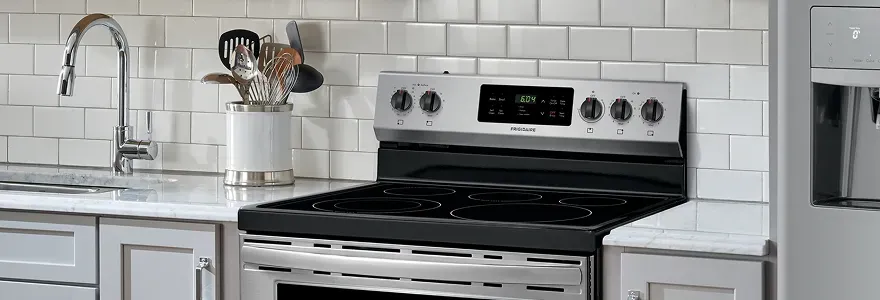
From a cooking performance standpoint, there is no major difference between a slide-in electric range and a freestanding electric range.
Both types offer similar:
-
Oven capacity and baking performance
-
Cooktop heating efficiency
-
Temperature control options
-
Available features such as convection cooking or self-cleaning modes
The difference is not in how they cook, but in how they integrate into your kitchen and how they are installed.
This is an important distinction for homeowners who may assume that a more expensive slide-in model performs better. In reality, performance depends more on the brand and feature set than the range style itself.
Which Option Is Right for Your Home?
Choosing between a slide-in and freestanding electric range ultimately depends on your kitchen goals.
A freestanding range is often the better choice if you are:
-
Replacing an existing unit without modifying cabinetry
-
Working within a tighter budget
-
Prioritizing flexibility and ease of installation
A slide-in range may be a better fit if you are:
-
Remodeling your kitchen or updating cabinetry
-
Prioritizing a seamless, built-in look
-
Designing a more modern or open-concept space
For homeowners in Madison and Janesville, the decision often comes down to whether the range is part of a larger renovation or a standalone replacement.
Explore Cooking Appliances and More at Brothers Main
If you’re comparing range options, seeing them in person can make the differences much clearer.
Browse available cooking appliances and explore related appliance categories to coordinate your kitchen upgrade, including options in refrigeration, laundry, dishwashers, and more.
The appliance experts at Brothers Main can help you compare models from top brands and determine which range style best fits your kitchen layout and cooking needs.
Visit a Brothers Main appliance showroom in East Madison, West Madison and Janesville to speak with appliance experts and find personalized electric range solutions that meet your needs and preferences.
Related readings from our blog:
FAQs: Slide-In vs Freestanding Electric Range: What’s the Difference?
What is the main difference between a slide-in and freestanding electric range?
The main difference is design and installation. A slide-in electric range is built to sit flush with cabinetry for a seamless look, while a freestanding electric range includes a backguard and can stand independently. Both offer similar cooking performance, but slide-in models are more integrated into kitchen design. Freestanding models are generally easier to install and replace.
Is a slide-in electric range better than a freestanding one?
Neither option is universally better, it depends on your kitchen and goals. Slide-in ranges offer a more modern, built-in appearance and are often used in remodels. Freestanding ranges provide more flexibility and are easier to install in existing spaces. The best choice depends on whether design or convenience is your priority.
Do slide-in ranges require special installation?
Yes, slide-in ranges typically require more precise installation than freestanding models. They are designed to sit flush with countertops, which means measurements must be accurate for proper alignment. In many cases, installation is coordinated with cabinetry or countertop work. This ensures a seamless and professional-looking finish.
Can I replace a freestanding range with a slide-in model?
Yes, but it may require adjustments to your cabinetry or countertop space. Slide-in ranges have different dimensional requirements and are designed for a built-in look. Before upgrading, it’s best to have your kitchen measured to ensure proper fit. An appliance expert can help determine if modifications are needed.
Related Articles