Induction Range vs Gas Range: What’s the Difference?
Thu Aug 06 2026
- Kitchen Appliances
- Appliance Comparisons
If you're planning a kitchen remodel or replacing an aging range, one of the biggest decisions you'll make is choosing between an induction range and a gas range. Both offer excellent cooking performance, but they operate in fundamentally different ways and appeal to different types of home cooks.
The short answer is this: an induction range is generally the better choice for homeowners who prioritize speed, efficiency, and safety, while a gas range remains a favorite among cooks who prefer cooking over an open flame and value precise visual heat control.
Neither option is universally better. The right appliance depends on how you cook, your existing utility connections, your cookware, and your long-term kitchen goals.
Whether you're remodeling your kitchen in Madison, updating your home in Janesville, or simply shopping for a new range, the appliance experts at Brothers Main can help you compare today's cooking technologies and choose the appliance that best fits your lifestyle.
Key Takeaways: Induction vs Gas Ranges
-
Induction ranges heat cookware directly using electromagnetic energy.
-
Gas ranges produce an open flame for immediate heat control.
-
Induction cooking is typically faster and more energy efficient.
-
Gas ranges work with almost every type of cookware.
-
Induction cooktops remain cooler and offer additional safety benefits.
-
Kitchen remodeling projects are an ideal time to evaluate both cooking technologies.
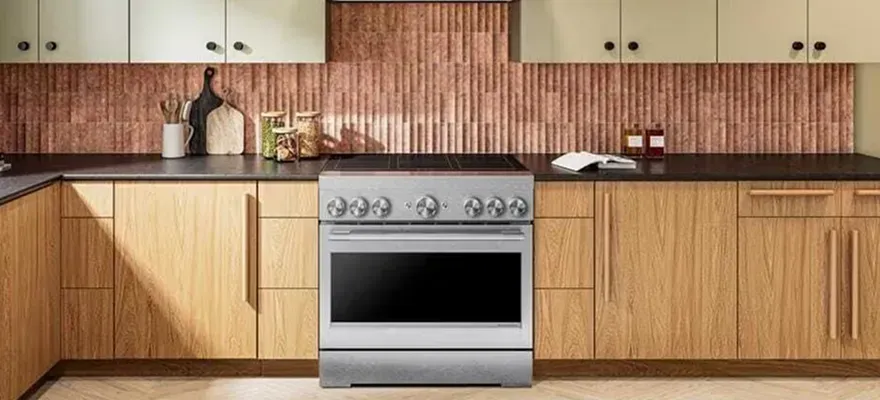
What's the Difference Between an Induction Range and a Gas Range?
The biggest difference is how they generate heat.
An induction range uses electromagnetic energy to heat compatible cookware directly. Instead of heating the cooking surface first, the cookware itself becomes the heat source.
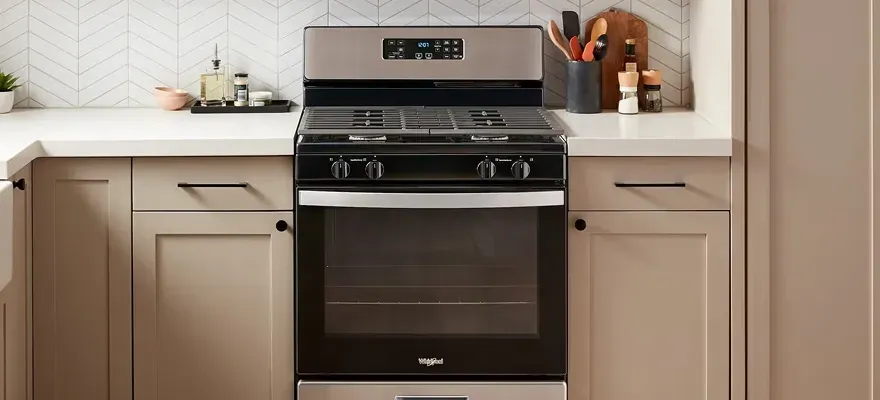
A gas range burns natural gas or propane to create an open flame beneath cookware. The flame heats both the pan and the surrounding air.
Although both appliances can boil water, simmer sauces, and prepare everyday meals, they deliver heat in very different ways, resulting in noticeable differences in cooking speed, efficiency, safety, and overall user experience.
How Does an Induction Range Work?
An induction range creates a magnetic field beneath the cooking surface that heats compatible cookware directly.
When induction-compatible cookware is placed on the cooking zone, electromagnetic energy causes the cookware itself to generate heat. Because the cooktop isn't producing the heat directly, much less energy is lost to the surrounding air.
This process provides several notable induction cooking benefits, including:
-
Faster heating
-
More precise temperature adjustments
-
Improved energy efficiency
-
Reduced heat escaping into the kitchen
-
Easier cleanup after cooking
The cooking surface may feel warm after use because heat transfers back from the cookware, but it does not become as hot as a traditional cooktop.
How Does a Gas Range Work?
A gas range uses either natural gas or propane to create an open flame beneath cookware.
The visible flame gives cooks immediate visual feedback, allowing them to increase or decrease heat instantly by adjusting the burner.
Many experienced home chefs appreciate this responsiveness because they can easily judge cooking intensity simply by observing the size of the flame.
Gas ranges have remained popular for decades because they:
-
Heat quickly
-
Provide immediate flame adjustment
-
Accommodate virtually any cookware
-
Continue operating during many power outages (cooktop only, depending on ignition systems)
For homeowners who enjoy traditional cooking methods, a gas range continues to be a dependable and familiar option.
Which Range Cooks Faster?
Induction ranges generally cook faster than gas ranges.
Because induction transfers energy directly into cookware, very little heat is wasted.
Water often reaches a boil noticeably faster than it does on comparable gas burners, and cookware responds almost immediately when temperature adjustments are made.
This speed can make everyday cooking more efficient, particularly for busy households preparing weeknight dinners.
Gas ranges still provide excellent performance, but some heat escapes around the sides of the cookware rather than being transferred directly into the pan.
For homeowners who value speed and efficiency, induction cooking often provides the advantage.
Which Offers Better Cooking Control?
This comparison depends largely on personal preference.
Gas cooking has long been praised for its precise flame control. Experienced cooks enjoy the ability to visually monitor burner intensity while making immediate adjustments.
Modern induction ranges, however, offer exceptional temperature precision through digital controls that allow small, consistent changes in heat output. Many homeowners find induction particularly useful for delicate cooking tasks such as melting chocolate, simmering sauces, or maintaining low temperatures for extended periods.
While gas provides tactile, visual control, induction often delivers greater consistency once the desired temperature is selected.
Is an Induction Range Safer?
For many households, yes.
One of the biggest reasons homeowners consider induction during a kitchen remodel is safety.
Since the cooktop itself doesn't generate an open flame, there is:
-
No exposed burner
-
Less residual surface heat
-
Reduced risk of accidentally leaving a burner lit
-
Lower likelihood of cookware-related burns after cooking
Many induction models also include features such as automatic pan detection, child safety locks, and automatic shutoff functions that add another layer of protection.
These features make induction particularly attractive for households with young children or homeowners seeking additional peace of mind.
Gas ranges remain safe appliances when installed and maintained properly, but they do involve an open flame that requires additional awareness during cooking.
Which Is More Energy Efficient?
Induction ranges are generally considered the more energy-efficient option.
Because induction transfers heat directly into cookware, very little energy escapes into the surrounding kitchen.
Gas cooking, by comparison, loses a portion of its heat around the cookware and into the surrounding air before reaching the food.
For homeowners interested in lowering energy consumption, this improved efficiency is one of the strongest arguments in favor of induction cooking.
An additional benefit is comfort.
Since less heat escapes into the kitchen, induction ranges can help keep cooking spaces cooler, something many Wisconsin homeowners appreciate during the warmer summer months.
Do You Need Special Cookware for Induction?
Yes, but many homeowners already own compatible cookware.
Unlike gas cooking, induction requires cookware made from magnetic materials.
Compatible cookware typically includes:
-
Cast iron
-
Enameled cast iron
-
Magnetic stainless steel
Cookware made entirely from aluminum, copper, or glass generally won't work unless it includes a magnetic base.
A simple refrigerator magnet test can often determine compatibility. If the magnet sticks firmly to the bottom of the cookware, it will usually work on an induction range.
For homeowners replacing older cookware during a kitchen remodel, this is an important consideration when budgeting for a new appliance.
Remodeling Considerations: Which Range Fits Your Kitchen?
If you're remodeling your kitchen, choosing between an induction range and a gas range goes beyond cooking preferences. Your home's existing utilities, kitchen layout, ventilation, and long-term plans can all influence which appliance makes the most sense.
For homes that already have a natural gas connection, replacing an older gas range with a newer model is often straightforward. However, if your kitchen doesn't have a gas line, installing one may add to the overall remodeling budget. Homeowners should also consider local building codes and installation requirements before making a decision.
An induction range requires a properly sized electrical circuit instead of a gas connection. If you're already updating electrical systems as part of a kitchen renovation, incorporating an induction range may be a relatively seamless addition. Many homeowners planning modern, all-electric kitchens appreciate the flexibility and clean appearance that induction cooking offers.
The appliance experts at Brothers Main regularly work with homeowners in Madison, Janesville, and throughout southern Wisconsin who are remodeling their kitchens. Selecting your cooking appliance early in the planning process helps ensure cabinetry, electrical work, and surrounding appliances are designed to work together from the start.
Which Is Easier to Clean?
Induction ranges are generally easier to clean.
Cleaning is one of the biggest day-to-day differences between these cooking technologies.
Because an induction cooktop has a smooth glass surface without burner grates or exposed flames, spills typically remain on the surface instead of baking onto hot components. Once cooking is finished and the surface has cooled, most messes can be removed with a microfiber cloth and a cooktop-safe cleaner.
Gas ranges require a bit more maintenance because food particles and grease can collect around:
-
Burner caps
-
Burner grates
-
Ignition ports
-
Drip areas
While these components are designed to be cleaned, they often require more time and occasional disassembly to remove stubborn buildup.
For homeowners who cook frequently, the easier cleanup offered by induction is often one of the biggest lifestyle advantages after making the switch.
What About Long-Term Ownership Costs?
When comparing cooking appliances, it's important to look beyond the purchase price.
An induction range may cost more initially, particularly if electrical upgrades or compatible cookware are needed. However, its high energy efficiency and precise heating can help reduce energy waste over the appliance's lifespan.
Gas ranges often have a lower initial cost and don't require replacing existing cookware, making them an attractive option for many households. However, operating costs can vary depending on local utility rates, cooking frequency, and the specific appliance selected.
Long-term value also comes from choosing an appliance you'll enjoy using every day. Homeowners who love cooking may place greater value on responsiveness and performance, while others prioritize easy cleaning, safety, or energy efficiency. The best investment is the appliance that fits both your lifestyle and your home's infrastructure.
Which Range Is Better for Different Types of Homeowners?
Neither cooking technology is objectively better, they simply serve different priorities.
An induction range is best for:
-
Energy-conscious homeowners
-
Families with young children
-
Kitchen remodeling projects
-
Modern, all-electric homes
-
Home cooks who value fast boiling and precise temperature control
-
Homeowners seeking easier cleanup
A gas range is best for:
-
Homeowners with existing gas service
-
Experienced cooks who prefer cooking over an open flame
-
Buyers who don't want to replace cookware
-
Those looking for lower upfront appliance costs
-
Traditional kitchens where gas cooking is already established
Thinking about how you cook every week, not just during holidays or special occasions, can help guide the right decision.
Induction vs. Gas Range Comparison
| Feature | Induction Range | Gas Range |
|---|---|---|
| Cooking Speed | Excellent | Very Good |
| Temperature Precision | Excellent | Excellent |
| Energy Efficiency | Excellent | Good |
| Safety | No open flame; cooler cooking surface | Open flame requires additional caution |
| Cleanup | Smooth, easy-to-clean surface | More components to clean |
| Cookware Compatibility | Magnetic cookware required | Works with nearly all cookware |
| Installation | Requires appropriate electrical service | Requires natural gas or propane connection |
| Best For | Modern kitchens, remodeling, efficiency | Traditional cooking, flame control |
Which Range Should You Choose?
If you're still deciding, start by asking yourself a few practical questions:
-
How often do you cook?
-
Are you remodeling your kitchen?
-
Do you already have a gas connection?
-
Would you benefit from faster cooking and easier cleanup?
-
Are you comfortable purchasing compatible cookware if needed?
For many Wisconsin homeowners, there isn't a single right answer. Instead, the best range is the one that supports your cooking habits, complements your kitchen layout, and aligns with your long-term goals.
Comparing appliances in person is often the easiest way to appreciate the differences in design, controls, and overall user experience.
Shop Cooking Appliances at Brothers Main
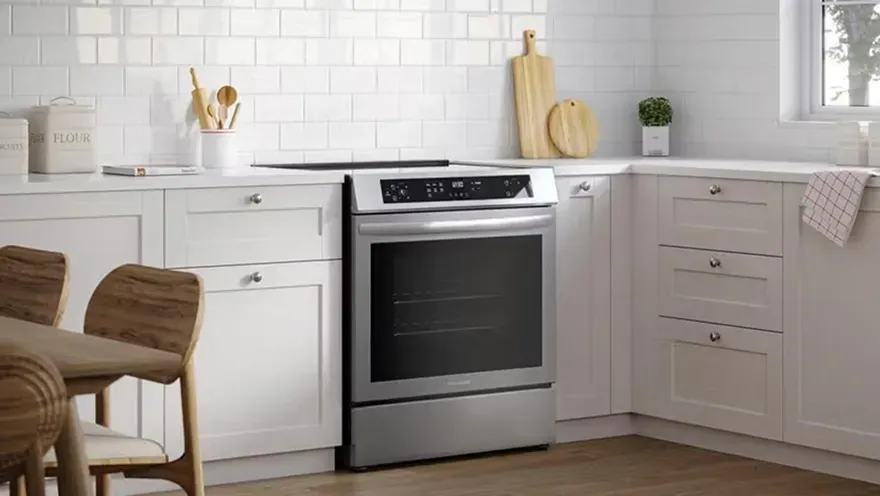
Whether you're considering the speed and efficiency of an induction range or the familiar performance of a gas range, Brothers Main offers a wide selection of cooking appliances to suit every home and cooking style, including ranges, wall ovens, and more.
You can also learn more about selecting the right cooking appliances by reading our Buyer's Guide to Ranges, Ovens, and Cooktops blog, which explains different cooking configurations, fuel types, and features to consider before purchasing.
Visit a Brothers Main appliance showroom in East Madison, West Madison and Janesville to compare induction and gas ranges side by side. Our appliance experts can help you evaluate performance, installation requirements, cookware compatibility, and the features that best match your cooking routine and kitchen remodeling plans.
Related readings from our blog:
FAQs: Induction Range vs Gas Range: Which is Better?
Is an induction range better than a gas range?
An induction range is generally better for homeowners who prioritize energy efficiency, faster cooking, and easy cleanup. Because induction transfers heat directly to the cookware, it wastes less energy and provides highly responsive temperature control. However, many cooks still prefer a gas range for its visible flame and compatibility with nearly all cookware. The better option ultimately depends on your cooking style and kitchen setup.
Do professional chefs prefer gas or induction cooking?
Professional chefs use both technologies, and preferences often depend on the type of cooking they do. Gas ranges have long been favored for their visual flame control and versatility, while induction has gained popularity because of its speed, consistency, and precise temperature management. Many commercial kitchens now incorporate induction equipment alongside gas appliances. Both technologies are capable of producing exceptional cooking results.
Can you use regular pots and pans on an induction range?
Only cookware made from magnetic materials will work on an induction range. Cast iron, enameled cast iron, and many stainless steel pans are compatible, while cookware made entirely from aluminum, copper, or glass usually is not. A simple way to check compatibility is to place a refrigerator magnet on the bottom of the pan, if it sticks firmly, the cookware will typically work on induction.
Is induction cooking worth it during a kitchen remodel?
For many homeowners, yes. Induction ranges offer excellent energy efficiency, simplified cleaning, and a sleek appearance that complements modern kitchen designs. If electrical upgrades are already part of your remodeling project, adding an induction range can be relatively straightforward. The appliance experts at Brothers Main can help you determine whether induction cooking aligns with your home's layout, utility connections, and long-term cooking needs.
Related Articles