How to Clean Your Kitchen Appliances Inside and Out
Mon Jun 29 2026
- Maintenance & Cleaning
- Kitchen Appliances
Keeping kitchen appliances clean does more than improve their appearance. Regular cleaning helps appliances operate efficiently, reduces odors, improves food safety, and can help extend the lifespan of major appliances. Whether you're maintaining a refrigerator, dishwasher, oven, or cooktop, a consistent cleaning routine can help prevent costly repairs and performance issues over time. Regular cleaning of filters, food-contact surfaces, and appliance interiors is widely recommended to maintain performance and hygiene.
For homeowners in Madison, Janesville, and throughout Wisconsin, seasonal appliance maintenance is especially important as households prepare for holiday entertaining, summer gatherings, and everyday family meals.
At Brothers Main, our appliance experts often remind customers that proper maintenance is one of the easiest ways to protect their appliance investment while ensuring optimal performance year after year.
Key Takeaways: How to Clean Kitchen Appliances
-
Regular appliance cleaning can improve performance and efficiency.
-
Refrigerators should be deep-cleaned every few months to help maintain food freshness.
-
Dishwasher filters and spray arms require routine attention to prevent buildup.
-
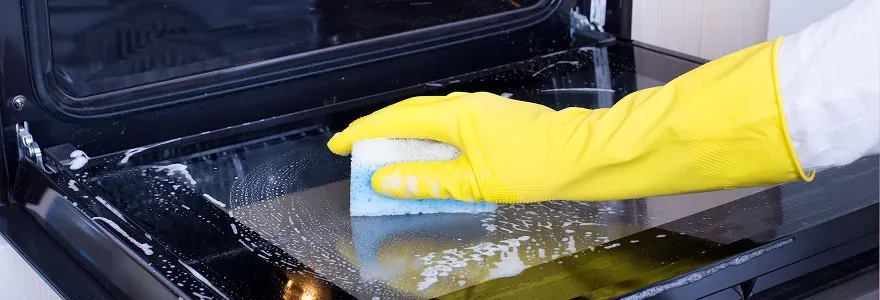
Ovens and cooktops benefit from both regular wipe-downs and periodic deep cleaning.
-
Cleaning behind and beneath appliances can improve performance and reduce dust and debris accumulation.
-
Always follow manufacturer's care instructions before using cleaning products or self-cleaning cycles.
Why Appliance Cleaning Matters
Many homeowners focus on cleaning visible surfaces while overlooking appliance interiors. Over time, grease, food residue, mineral deposits, detergent buildup, and dust can affect appliance performance and efficiency.
A clean appliance often operates more effectively because air circulation, water flow, and heating systems can function as intended. Routine maintenance can also help identify small issues before they become larger repair concerns.
Beyond performance, cleanliness contributes to food safety. Refrigerators, dishwashers, and cooking appliances all come into direct contact with food preparation and storage areas, making routine cleaning an important part of maintaining a healthy kitchen environment.
Start with Appliance Exteriors
Before tackling appliance interiors, focus on visible exterior surfaces.
Fingerprints, grease, dust, and cooking residue can accumulate quickly, especially in busy kitchens. Stainless steel finishes, in particular, often require regular maintenance to maintain their appearance.
For most appliance exteriors:
-
Use a microfiber cloth with warm water and mild soap.
-
Wipe in the direction of the stainless steel grain.
-
Avoid abrasive scrubbers that may damage finishes.
-
Dry surfaces after cleaning to prevent streaking.
Homeowners investing in premium kitchen appliances often find that consistent exterior cleaning helps preserve the appearance of their appliances for years to come.
How to Clean a Refrigerator
Your refrigerator works around the clock, making it one of the hardest-working appliances in the home.
Food spills, expired items, and moisture can create unpleasant odors and bacteria buildup if left unaddressed. Most appliance experts recommend performing a thorough refrigerator cleaning every few months.
Step 1: Remove Food and Shelving
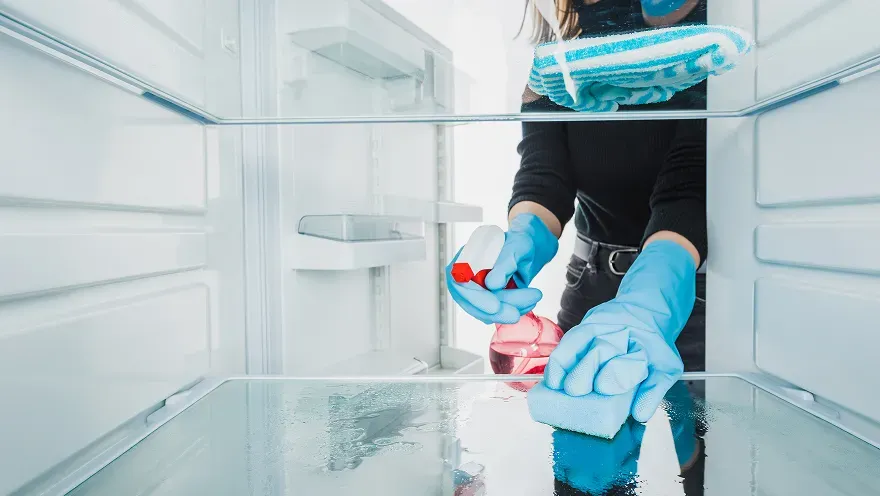
Begin by removing all food items, shelves, drawers, and removable compartments.
Check expiration dates and discard anything that is no longer safe to consume. This is also a good opportunity to reorganize frequently used items.
Step 2: Wash Interior Components
Allow glass shelves to reach room temperature before cleaning to reduce the risk of cracking.
Wash removable parts using warm water and mild dish soap, then dry thoroughly before reinstalling them.
Step 3: Clean the Interior
Wipe interior walls, door bins, and storage compartments using a non-abrasive cleaning solution.
Pay special attention to:
-
Door seals
-
Crisper drawers
-
Spill-prone shelves
-
Water dispenser areas
Step 4: Check Airflow
One of the most overlooked refrigerator maintenance tasks is maintaining proper airflow.
Overcrowded shelves can restrict circulation, making it harder for the refrigerator to maintain consistent temperatures. Likewise, an almost-empty refrigerator may struggle to maintain stable temperatures efficiently.
For homeowners shopping for new refrigeration appliances in Madison or Janesville, this is one of the many practical tips the appliance experts at Brothers Main share to help maximize appliance performance.
How to Clean a Dishwasher
Many people assume a dishwasher cleans itself every time it runs. In reality, food particles, grease, detergent residue, and mineral deposits can gradually accumulate inside the appliance.
If left unchecked, buildup can affect cleaning performance, create odors, and potentially contribute to premature wear of internal components.
Step 1: Inspect the Filter
Modern dishwashers often include removable filters designed to capture food debris.
Cleaning the filter regularly helps maintain water circulation and cleaning performance.
Step 2: Check Spray Arms
Inspect spray arm openings for food particles or mineral buildup.
Blocked spray arms can reduce cleaning effectiveness and lead to poor washing results.
Step 3: Run a Cleaning Cycle
A dedicated dishwasher cleaner or a bowl of distilled white vinegar placed on the upper rack can help remove buildup from interior surfaces.
Running an empty cleaning cycle periodically can help keep the appliance fresh and functioning properly.
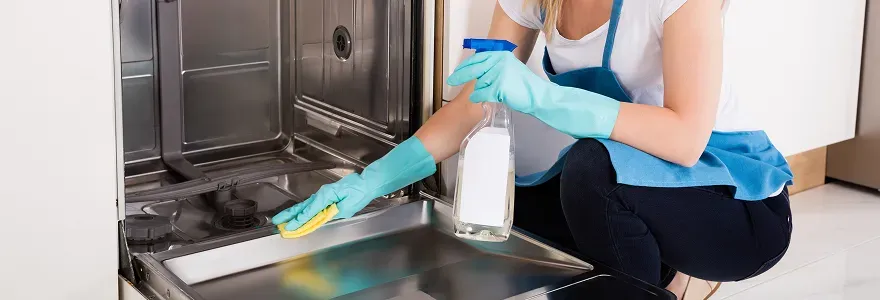
Step 4: Clean Door Seals and Edges
The edges around the door often collect moisture and food residue.
Wiping these areas regularly can help prevent odors and maintain a cleaner interior environment.
How to Clean an Oven
Ovens are exposed to grease, spills, food splatter, and baked-on residue every time they are used.
While modern ovens often include self-cleaning functions, regular maintenance can reduce the need for intensive cleaning cycles.
Standard Oven Cleaning
For conventional cleaning:
-
Remove racks and soak them in warm, soapy water.
-
Apply a baking soda and water paste to interior surfaces.
-
Allow the solution to sit before wiping clean.
-
Address stubborn spots carefully using appropriate tools.
Frequent spot-cleaning after cooking can significantly reduce deep-cleaning requirements over time.
Self-Cleaning Ovens
Self-cleaning ovens use extremely high temperatures to reduce food residue to ash.
Before running a self-clean cycle:
-
Consult your owner's manual.
-
Remove items as instructed by the manufacturer.
-
Ensure proper kitchen ventilation.
-
Wipe away excess grease beforehand.
Following manufacturer recommendations is essential because cleaning requirements can vary by model.
How to Clean a Glass Cooktop
Glass cooktops offer a sleek appearance, but they require special care to maintain their finish.
Food residue left on the surface can become more difficult to remove after repeated heating cycles.
For routine maintenance:
-
Allow the surface to cool completely.
-
Wipe with a damp microfiber cloth after use.
-
Remove stubborn residue using cooktop-safe cleaning methods.
-
Avoid abrasive tools that may scratch the surface.
Consistent cleaning helps preserve both the appearance and cooking performance of the appliance.
Don't Forget Behind and Beneath Appliances
One of the most overlooked aspects of appliance maintenance is cleaning the areas behind and underneath major appliances.
Dust, pet hair, grease, and food debris can accumulate in these hidden areas over time. Beyond affecting cleanliness, excessive buildup can impact appliance performance and potentially attract pests. Experts generally recommend checking these areas several times per year.
When cleaning behind appliances:
-
Disconnect power when appropriate.
-
Follow manufacturer recommendations.
-
Use caution when moving heavy appliances.
-
Vacuum accumulated dust and debris.
-
Clean surrounding flooring and wall surfaces.
This simple maintenance task can make a significant difference in overall kitchen cleanliness.
How Often Should You Clean Kitchen Appliances?
A practical cleaning schedule can help prevent major buildup and simplify long-term maintenance.
General guidelines include:
-
Daily: Wipe cooktops and appliance exteriors.
-
Weekly: Clean frequently touched surfaces and inspect appliances.
-
Monthly: Check dishwasher filters and clean microwave interiors.
-
Quarterly: Deep clean refrigerators and ovens.
-
Several times per year: Clean behind and beneath major appliances.
The ideal schedule depends on appliance usage, household size, and cooking habits.
Smart Appliance Features That Make Cleaning Easier
Many modern appliances include features specifically designed to simplify maintenance.
Examples include:
-
Self-cleaning oven cycles
-
Fingerprint-resistant finishes
-
Dishwasher self-clean programs
-
Spill-proof refrigerator shelving
-
Steam-cleaning oven modes
These innovations can reduce maintenance time while helping homeowners keep appliances looking and performing their best.
When shopping for kitchen appliances in Madison or Janesville, the appliance experts at Brothers Main can help you compare cleaning-focused features across leading appliance brands.
Shop Kitchen Appliances at Brothers Main
Keeping appliances clean is one of the best ways to protect your investment and maximize performance. However, if your current appliances are becoming difficult to maintain, struggling to perform, or nearing the end of their lifespan, it may be time to consider an upgrade.
Visit a Brothers Main appliance showroom in East Madison, West Madison and Janesville to explore appliances featuring advanced cleaning technologies, fingerprint-resistant finishes, self-cleaning capabilities, and innovative designs that simplify everyday maintenance. Our appliance experts can help you find products that fit your kitchen, cooking habits, and long-term goals.
Related readings from our blog:
FAQs: How to Clean Your Kitchen Appliances Inside and Out
What are the signs that a kitchen appliance needs deep cleaning?
Several signs may indicate it's time for a deeper appliance cleaning, including unusual odors, reduced performance, visible buildup, longer cycle times, or inconsistent temperatures. For example, a refrigerator may struggle to maintain temperatures when airflow is restricted, while a dishwasher may leave dishes dirty if filters or spray arms are clogged. Addressing these issues through routine maintenance can often restore performance and help prevent larger problems from developing. If cleaning does not resolve the issue, it may be worth consulting an appliance professional.
Does cleaning appliances help them last longer?
Regular cleaning can contribute to better appliance performance and may help reduce unnecessary wear on components. Removing grease, food residue, dust, and mineral buildup allows appliances to operate more efficiently. While cleaning alone cannot prevent all repairs, proper maintenance is an important part of long-term appliance care. It can also help identify issues before they become larger problems.
What is the best way to clean a dishwasher?
Start by cleaning the filter and checking spray arms for blockages. Running an empty cleaning cycle with a dishwasher cleaner or vinegar can help remove buildup and odors from the interior. It's also important to wipe door seals and edges where residue can accumulate. Consult your owner's manual for model-specific recommendations.
Should you clean behind kitchen appliances?
Yes, cleaning behind and beneath appliances is an important but often overlooked maintenance task. Dust, pet hair, grease, and food debris can accumulate in these areas over time and potentially affect appliance performance. Most homeowners should inspect and clean these spaces several times per year. Always follow safety precautions when moving appliances.
Related Articles