
Garage Refrigerators: What to Know Before Buying
Thu Aug 13 2026
- Appliance Buying Guides
Adding a garage refrigerator is one of the easiest ways to increase food storage without remodeling your kitchen. Whether you need extra space for beverages, bulk grocery purchases, holiday meals, or hunting and fishing storage, a secondary refrigerator can help keep your kitchen organized while providing convenient overflow capacity.
However, not every refrigerator is designed to operate reliably in a garage. Temperature swings throughout the year can affect cooling performance, food preservation, and even the lifespan of the appliance. For homeowners in Wisconsin, where winters regularly fall below freezing and summers can become hot and humid, choosing the right model is especially important.
The good news is that manufacturers now offer appliances specifically engineered to perform in more demanding environments. Understanding what makes a refrigerator or garage-ready freezer different can help you avoid common problems and invest in an appliance that performs reliably throughout every season.
The appliance experts at Brothers Main regularly help homeowners in Madison, Janesville, and throughout southern Wisconsin select refrigeration solutions that match both their storage needs and their home's environment.
Key Takeaways: Buying a Garage Refrigerator
-
Not every refrigerator is designed for garage installation.
-
Garage-ready appliances are built to perform across a wider range of temperatures.
-
Wisconsin's seasonal weather makes garage compatibility especially important.
-
Consider insulation, compressor performance, and climate ratings before purchasing.
-
A secondary refrigerator can reduce kitchen congestion while increasing storage flexibility.
-
Choosing the right size and location helps maximize long-term performance.
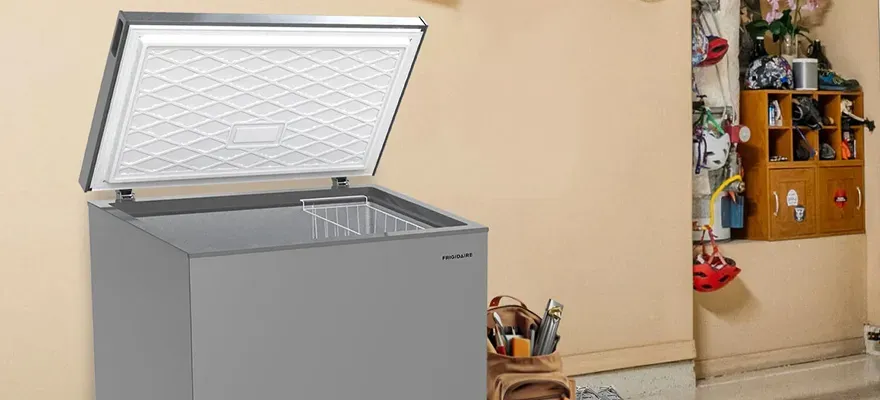
Can You Put a Refrigerator in a Garage?
Yes, but only if the refrigerator is designed or approved for garage use.
This is one of the most common questions homeowners ask when they begin looking for additional refrigeration space.
While a standard kitchen refrigerator may physically fit in a garage, it isn't always designed to perform correctly outside the relatively stable temperatures found inside the home.
In extremely cold weather, some refrigerators may mistakenly sense that the surrounding environment is cool enough and reduce compressor operation. As a result, freezer temperatures can rise even though the fresh food compartment appears adequately cooled.
During hot summer weather, the opposite problem can occur. Higher ambient temperatures force the compressor to work harder to maintain safe food temperatures, potentially increasing energy consumption and wear on the appliance.
Because Wisconsin experiences both temperature extremes throughout the year, selecting a refrigerator specifically rated for garage environments can help ensure more consistent performance.
What Is a Garage Refrigerator?
A garage refrigerator is simply a refrigerator that's installed in a garage or another non-climate-controlled space.
Some are standard household refrigerators located in garages where environmental conditions remain within the manufacturer's recommended operating range. Others are purpose-built or manufacturer-approved models designed to withstand wider temperature fluctuations without sacrificing cooling performance.
Many homeowners use garage refrigerators for:
-
Overflow groceries
-
Extra beverages
-
Holiday food storage
-
Meal preparation
-
Garden produce
-
Frozen bulk purchases
-
Outdoor entertaining
-
Hunting and fishing storage
Rather than constantly rearranging the primary kitchen refrigerator, a secondary refrigerator creates additional flexibility for busy households.
What Makes a Refrigerator Garage Ready?
A garage-ready refrigerator is designed to operate properly across a wider range of surrounding temperatures.
Manufacturers accomplish this through improvements that may include:
-
Enhanced temperature sensors
-
Specialized control systems
-
Improved compressor operation
-
Better insulation
-
Optimized cooling performance during seasonal changes
These features help the appliance continue regulating both refrigerator and freezer temperatures even as garage conditions change throughout the year.
It's important to remember that "garage ready" is not a universal industry standard. Each manufacturer specifies the temperature range in which its appliance is designed to operate, so homeowners should always review the product specifications before purchasing.
The appliance experts at Brothers Main can help compare these operating ranges when selecting refrigeration appliances for Wisconsin homes.
Why Wisconsin Weather Matters
One of the biggest factors influencing garage refrigerator performance is climate.
Unlike homeowners in regions with relatively stable temperatures year-round, Wisconsin residents often experience freezing winter mornings followed by warm, humid summer afternoons. These seasonal swings place additional demands on refrigeration systems.
Cold temperatures can interfere with thermostat operation in some conventional refrigerators, while excessive summer heat can make compressors work significantly harder to maintain food-safe temperatures.
If your garage is insulated and heated, temperature fluctuations may be less dramatic. However, detached garages, workshops, and older garages often experience much greater environmental changes throughout the year.
For this reason, homeowners in Madison, Janesville, and surrounding communities should carefully evaluate whether a standard refrigerator or a garage-rated model better fits their home.
Is a Garage Ready Freezer Different?
Yes. A garage-ready freezer is specifically engineered to continue operating properly across a broader range of ambient temperatures than many traditional freezers.
This makes them especially useful for homeowners who store:
-
Bulk meat purchases
-
Garden harvests
-
Frozen meal prep
-
Holiday foods
-
Seasonal entertaining supplies
Because many Wisconsin families purchase groceries in bulk or hunt during the fall, garage freezers often become an essential extension of the kitchen.
Whether choosing an upright freezer or chest freezer, selecting a model designed for garage environments can help protect frozen food throughout the year.
How Much Storage Do You Actually Need?
Before purchasing a secondary refrigerator, it's worth thinking carefully about how you'll actually use it.
Some homeowners primarily want extra beverage storage for family gatherings and outdoor entertaining. Others need room for warehouse-club grocery purchases, weekly meal prep, or overflow refrigerator space during holidays.
Choosing a refrigerator that's significantly larger than your needs may increase energy consumption while leaving valuable garage space underutilized. On the other hand, selecting a model that's too small may quickly lead to overcrowding, restricting airflow and making it harder for the appliance to maintain consistent temperatures.
Consider both your current storage habits and future needs before deciding on capacity. The goal isn't simply to buy the biggest refrigerator available, it's to purchase one that supports your lifestyle without wasting space or energy.
Where Should You Install a Garage Refrigerator?
Proper placement can have a major impact on refrigerator performance and longevity.
Whenever possible, install the appliance:
-
On a level surface
-
Away from direct sunlight
-
Away from furnaces or water heaters
-
With adequate clearance around the sides and rear
-
In a location with sufficient airflow
Avoid positioning the refrigerator where garage doors remain open for extended periods during extreme weather. Repeated exposure to freezing winter air or intense summer heat can force the appliance to work harder than necessary.
Planning placement before purchasing the refrigerator can also help ensure enough room for door swing, nearby shelving, and easy access during everyday use.
Does a Garage Refrigerator Use More Energy?
In some situations, yes.
A refrigerator installed in a garage may use more energy than one located inside your home because it operates in a less controlled environment. During Wisconsin summers, higher ambient temperatures can cause the compressor to run longer to maintain safe food temperatures. In winter, refrigerators that aren't designed for cold environments may struggle to regulate temperatures efficiently.
That doesn't necessarily mean a garage refrigerator is an inefficient investment. Choosing an ENERGY STAR® certified model and selecting an appliance that's appropriately sized for your storage needs can help reduce operating costs while maintaining reliable performance.
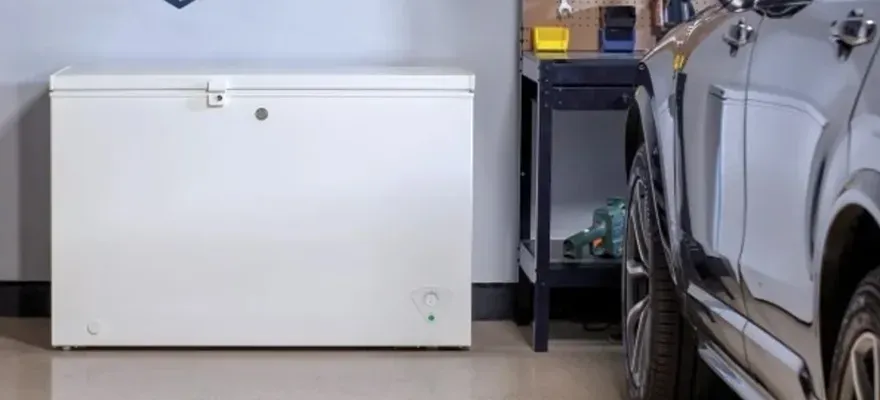
Common Mistakes to Avoid When Buying a Garage Refrigerator
Many homeowners assume any refrigerator can simply be moved into the garage. Unfortunately, that misconception often leads to poor performance and shortened appliance life.
Some of the most common mistakes include:
Buying a Standard Refrigerator Without Checking Temperature Ratings
Not every refrigerator is engineered to perform in wide temperature swings. Always verify the manufacturer's recommended operating temperature range before purchasing.
Choosing the Largest Model Instead of the Right Size
While additional storage sounds appealing, an oversized refrigerator consumes more space and may use more energy than necessary. Think about what you'll actually be storing throughout the year rather than shopping solely by cubic footage.
Ignoring Ventilation Requirements
Every refrigerator requires adequate clearance around the cabinet to allow heat to dissipate from the cooling system. Installing an appliance too close to walls or shelving can reduce efficiency and place additional strain on the compressor.
Forgetting About Seasonal Changes
A garage may feel comfortable when installing a refrigerator in spring or fall, but conditions can be dramatically different during January or July. Considering year-round temperatures, not just current weather, will help you choose an appliance that's prepared for Wisconsin's changing seasons.
Garage Refrigerator vs. Kitchen Refrigerator
Although they may appear similar, the environment in which they're expected to operate is very different.
A kitchen refrigerator benefits from relatively stable indoor temperatures throughout the year. Garages, workshops, and detached buildings often experience much larger swings in both heat and cold, placing additional demands on refrigeration systems.
For homeowners planning to use a refrigerator exclusively in the garage, choosing a model intended for that environment can provide greater confidence that food will remain safely stored regardless of the season.
If you're simply relocating your existing kitchen refrigerator to the garage after purchasing a new one, it's worth confirming that the older appliance is suitable for the conditions it will experience.
Should You Buy a Garage Ready Freezer Instead?
Sometimes, a garage ready freezer is actually the better investment.
If most of your overflow storage consists of frozen foods rather than refrigerated items, a dedicated freezer can provide more usable storage while making it easier to organize bulk purchases.
A garage-ready freezer is especially beneficial for homeowners who regularly store:
-
Bulk meat purchases
-
Frozen fruits and vegetables
-
Garden harvests
-
Homemade freezer meals
-
Hunting or fishing game
-
Holiday meal preparations
Many Wisconsin homeowners appreciate having both a kitchen refrigerator and a dedicated garage freezer, allowing them to separate everyday groceries from long-term frozen storage.
Who Benefits Most From a Garage Refrigerator?
A garage refrigerator isn't necessary for every household, but it can be a valuable addition for homeowners with specific storage needs.
A Garage Refrigerator Is Ideal For:
-
Large families
-
Homeowners who buy groceries in bulk
-
People who frequently entertain
-
Gardeners preserving seasonal produce
-
Homeowners remodeling their kitchens
-
Those wanting a dedicated beverage refrigerator
-
Hunters and anglers needing overflow refrigeration
A Garage Ready Freezer Is Ideal For:
-
Bulk food storage
-
Long-term frozen food preservation
-
Meal prepping
-
Hunting and fishing households
-
Seasonal food storage
-
Warehouse club shoppers
Thinking about how you shop, not just how much storage you want, can help determine which appliance delivers the greatest long-term value.
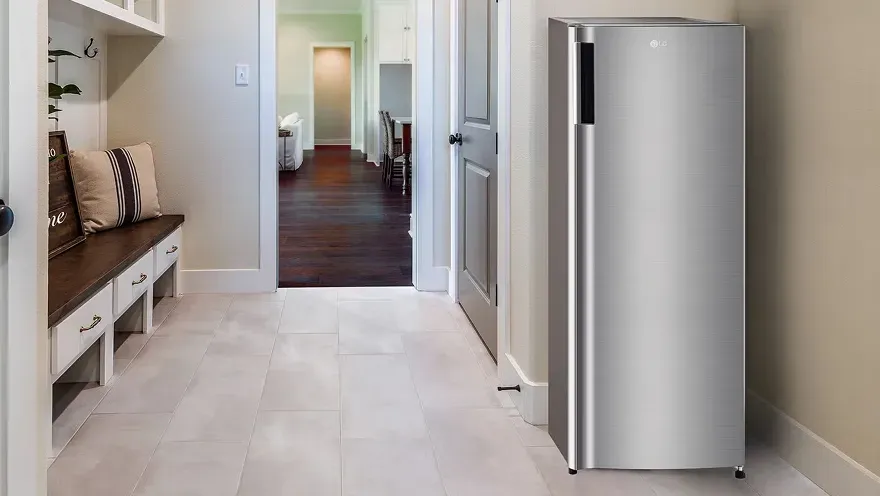
Shop Refrigeration Solutions at Brothers Main
Whether you're looking for a garage refrigerator, a garage ready freezer, or a new kitchen refrigerator, Brothers Main offers refrigeration solutions designed for every home and lifestyle. Shop across top brands and multiple refrigerator configurations, including French door, top mount, bottom freezer, side-by-side, and more.
If you're planning a kitchen renovation or expanding your food storage, visit a Brothers Main appliance showroom in East Madison, West Madison and Janesville to compare refrigerator and freezer options in person. Our appliance experts can help you evaluate garage compatibility, storage capacity, energy efficiency, and the features that best fit your household.
Related readings from our blog:
FAQs: Garage Refrigerators: What to Know Before Buying
Can you put any refrigerator in a garage?
Not always. Many standard refrigerators are designed to operate within a relatively narrow range of indoor temperatures and may not perform properly in an unheated or excessively hot garage. Before placing a refrigerator in your garage, review the manufacturer's recommended operating temperature range. If your garage experiences significant seasonal temperature swings, a garage-ready model is typically the better choice.
What temperature is too cold for a garage refrigerator?
The answer depends on the specific appliance. Some standard refrigerators may experience performance issues when surrounding temperatures approach freezing because their thermostats are designed for climate-controlled indoor environments. Garage-ready models are engineered to operate across a wider range of temperatures, making them a better fit for Wisconsin winters. Always consult the manufacturer's specifications for the recommended operating range.
Is a garage ready freezer worth it?
For many homeowners, yes. A garage ready freezer is designed to maintain consistent performance in environments that experience both cold winters and warm summers, making it well suited for garages in Wisconsin. It's an excellent option for storing bulk groceries, garden harvests, frozen meals, or game meat while freeing up space inside the kitchen.
What is the best refrigerator for a garage?
The best garage refrigerator is one that's specifically designed or approved for use in garage environments and matches your household's storage needs. Factors such as operating temperature range, storage capacity, energy efficiency, and overall organization should all be considered before purchasing. The appliance experts at Brothers Main can help you compare models and determine which refrigerator will perform best in your home's conditions.
Related Articles