Front Load vs Top Load Washer: Which Cleans Better?
Fri Jun 05 2026
- Laundry Appliances
Choosing between a front load and top load washer is one of the most common decisions homeowners face when shopping for new laundry appliances. Both styles can deliver excellent cleaning performance, but they use different wash methods and offer unique advantages depending on your household's needs.
Many shoppers focus on features or price alone, but factors such as cleaning effectiveness, maintenance requirements, efficiency, and long-term ownership costs are equally important. Whether you're replacing an aging washer, building a new laundry room, or considering a complete front load washer and dryer set, understanding the differences can help you make a more informed decision.
The appliance experts at Brothers Main help homeowners throughout Madison, Janesville, and surrounding Wisconsin communities compare washer options every day. Here's what you should know before making your decision.
Key Takeaways: Front Load vs Top Load Washers
-
Front load washers generally provide superior stain removal and fabric care.
-
Top load washers offer faster cycle times and simpler maintenance.
-
Front load models typically use less water and energy.
-
Modern high-efficiency top load washers narrow the cleaning performance gap.
-
Proper maintenance is important for both washer styles.
-
The best choice depends on your laundry habits, household size, and available space.
How Do Front Load and Top Load Washers Clean Clothes?
The primary difference between these washer types is how they move clothing during the wash cycle.
Front-load washers tumble clothes through a shallow pool of water. As clothing repeatedly falls through the wash solution, detergent and mechanical action work together to lift stains and soils from fabric fibers.
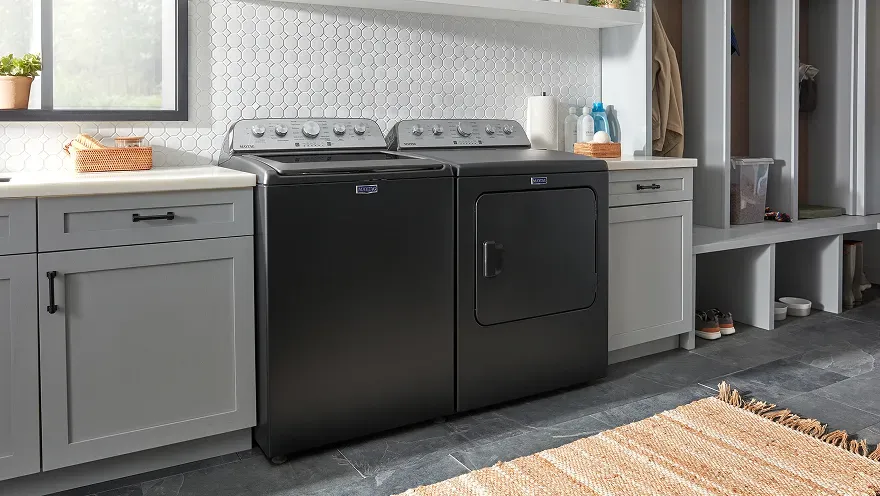
Top load washers use a different approach. Traditional models rely on a center agitator that moves clothing through water. High-efficiency top load washers typically use an impeller plate that creates specialized water movement patterns while using less water than older agitator designs.
Because of their tumbling action, front load machines often provide more thorough cleaning while being gentler on fabrics.
Which Washer Cleans Better?
For pure cleaning performance, front load washers generally have the advantage.
Independent testing consistently shows that front load washers excel at removing difficult stains, particularly oily residues, ground-in dirt, and heavily soiled items. The tumbling motion creates more friction between garments, which helps loosen and remove contaminants more effectively.
This is one reason commercial washing machine systems found in many laundromats often use front-loading designs. The technology is highly effective at handling large volumes of laundry while delivering consistent cleaning results.
That doesn't mean top load washers perform poorly. Modern high-efficiency top load models have improved dramatically over the past decade and provide excellent cleaning for most households. For everyday laundry loads, many homeowners may never notice a meaningful difference in cleaning results.
The biggest performance gap typically appears when dealing with heavily soiled work clothes, sports uniforms, pet bedding, or large family laundry loads.
Water and Energy Efficiency: Which Washer Uses Less?
Efficiency is one area where front load washers often stand out.
Because front load models use gravity and tumbling action rather than filling the entire tub with water, they typically require significantly less water per load. Less water usage also means less energy is needed to heat water during wash cycles.
Benefits of front load efficiency include:
-
Lower water consumption
-
Reduced energy usage
-
Faster drying times due to higher spin speeds
-
Potential utility savings over the appliance's lifespan
For Wisconsin homeowners looking to reduce utility costs while maintaining excellent cleaning performance, a front load washer and dryer set can be an attractive long-term investment.
High-efficiency top load washers have become more efficient as well, but most still consume somewhat more water than comparable front load units.
How do Front Load and Top Load Washers Handle Mold and Odor Concerns?
One of the most common concerns about front load washers involves mold and mildew.
Because front load washers use a watertight door seal, moisture can sometimes remain inside the machine after a cycle. If the door remains closed for extended periods, this environment can promote mildew growth and unpleasant odors.
Fortunately, modern front load washers often include features specifically designed to address this issue, such as:
-
Self-cleaning cycles
-
Improved door gasket designs
-
Antimicrobial materials
-
Ventilation systems
-
Automatic moisture reduction features
Homeowners can further reduce odor risks by leaving the door slightly open between loads and performing regular maintenance.
Top load washers generally experience fewer mold-related issues because the open-top design allows moisture to evaporate more easily. However, they still benefit from occasional cleaning cycles to prevent detergent buildup and odors.
.webp)
Maintenance Requirements: Which Is Easier to Own?
Maintenance should be part of any laundry appliance buying decision.
Top load washers are often viewed as simpler to maintain because they have fewer concerns related to door seals and moisture retention. Their familiar design also makes them appealing to homeowners who prefer straightforward operation.
Front load washers require slightly more attention. Regular gasket inspections, occasional cleaning cycles, and keeping the door open after use can help maintain peak performance.
That said, neither style requires extensive maintenance when used properly. Most maintenance tasks take only a few minutes and can significantly extend appliance lifespan.
The appliance experts at Brothers Main often remind customers that following manufacturer recommendations is far more important than choosing one washer style over another when it comes to long-term reliability.
Capacity and Large Load Performance
If you regularly wash bulky items, capacity should be an important consideration.
Many front load washers offer larger usable drum space because they don't contain a central agitator. This allows larger comforters, blankets, and oversized loads to move more freely during cycles.
Traditional top load washers with agitators may have slightly reduced usable space because the center column occupies room within the tub.
However, modern high-efficiency top load washers often eliminate the agitator entirely, creating additional capacity while maintaining the convenience many homeowners prefer.
Families with frequent large laundry loads may find either option suitable depending on the specific model selected.
Washer Dryer Combos: Are They Right for You?
The growing popularity of the washer dryer combo has introduced another option for homeowners with limited space.
Many all-in-one units utilize front-loading technology because it allows both washing and drying functions within a single appliance. These systems can be ideal for condos, apartments, guest suites, and smaller homes where separate appliances may not fit.
While a washer dryer combo may not match the speed or capacity of dedicated machines, it offers exceptional convenience in certain living situations.
For homeowners evaluating all available laundry solutions, comparing a combo unit against a traditional front load washer and dryer set is often worthwhile.
Which Washer Is Best for Your Home?
The answer depends on your priorities.
A front load washer may be the better choice if you prioritize:
-
Maximum cleaning performance
-
Water efficiency
-
Energy savings
-
Fabric care
-
Larger load capacity
A top load washer may be the better choice if you prioritize:
-
Faster wash cycles
-
Simpler maintenance
-
Familiar operation
-
Easier loading and unloading
-
Lower upfront costs
Many homeowners in Madison and Janesville ultimately choose based on a combination of cleaning performance, laundry habits, and budget rather than a single feature.
How This Decision Fits Into Your Laundry Room Plan
Choosing a washer isn't just about today's laundry needs. It also affects the overall design and functionality of your laundry space.
If you're remodeling a laundry room, upgrading multiple appliances, or building a new home, washer selection should be considered alongside dryers, storage solutions, utility connections, and available floor space.
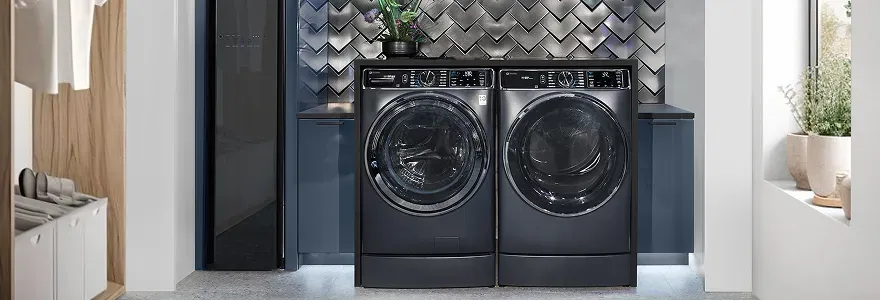
Front load washers are often stacked or paired with matching dryers to maximize floor space. Top load models may be preferable in layouts where frequent bending is a concern or where vertical clearance is limited.
For a deeper look at selecting the right laundry appliances, visit our complete Laundry Buying Guide.
Shop Front Load and Top Load Washers at Brothers Main
Whether you're considering a traditional top load washer, a high-efficiency model, or a premium front load washer and dryer set, Brothers Main offers a wide selection of laundry appliances for every household.
With a selection of washers from over 20 of the top brands in the industry, including GE Profile, KitchenAid, LG, Bosch, and more, our experts can find personalized solutions to finding the right washer for your needs. You can also explore other appliance products Brothers Main offers with expert guidance, including refrigeration, cooking, and dryer options to complete your home setup.
Visit a Brothers Main appliance showroom in East Madison, West Madison and Janesville to speak with appliance experts and find a washer that fits your needs.
Related readings from our blog:
FAQs: Front Load vs Top Load Washer: Which Cleans Better?
Do front load washers clean better than top load washers?
In many cases, yes. Front load washers generally provide better stain removal because their tumbling action creates more friction between garments. They also tend to use detergent and water more efficiently. However, modern high-efficiency top load washers still deliver excellent cleaning performance for most households.
Why do front load washers sometimes smell?
Front load washers can develop odors when moisture remains trapped inside the door gasket area. This environment may encourage mildew growth if the washer is not properly ventilated. Leaving the door slightly open after cycles and running periodic cleaning cycles can help prevent odors. Many newer models include features designed specifically to reduce this issue.
Are top load washers more reliable?
Reliability depends more on the specific model and maintenance practices than the washer style itself. Top load washers have a reputation for simplicity, which some homeowners appreciate. Front load washers can also provide many years of dependable operation when properly maintained. Following manufacturer care recommendations is the best way to maximize appliance lifespan.
Is a front load washer and dryer set worth it?
For many households, a front load washer and dryer set offers benefits that justify the investment. These systems often provide better cleaning performance, improved efficiency, and larger usable capacity. They are also popular for laundry room remodeling projects because they can be stacked to save space. The best value depends on your laundry volume, budget, and long-term goals.
Related Articles